The client is a party and event rental company based in Dubai, UAE, operating since around 2015. The business operates through a Shopify website and offers a combination of party rentals, products for purchase, and on-site event setup services.
Their offerings include furniture, party supplies, event equipment, and styling solutions for a wide range of events across the UAE. Over the years, the website had also grown into a large website with thousands of URLs across product, collection, rental, service, and blog pages.
The business had already been actively working on its online presence and SEO, generating approximately 2,000 organic visits per month. However, their SEO efforts lacked a clear strategic direction. Content and optimization activities were being carried out, but there was limited focus on structured keyword targeting, content prioritization, and aligning content with different stages of the customer journey. As a result, organic growth and search visibility had begun to plateau.
Challenges Identified
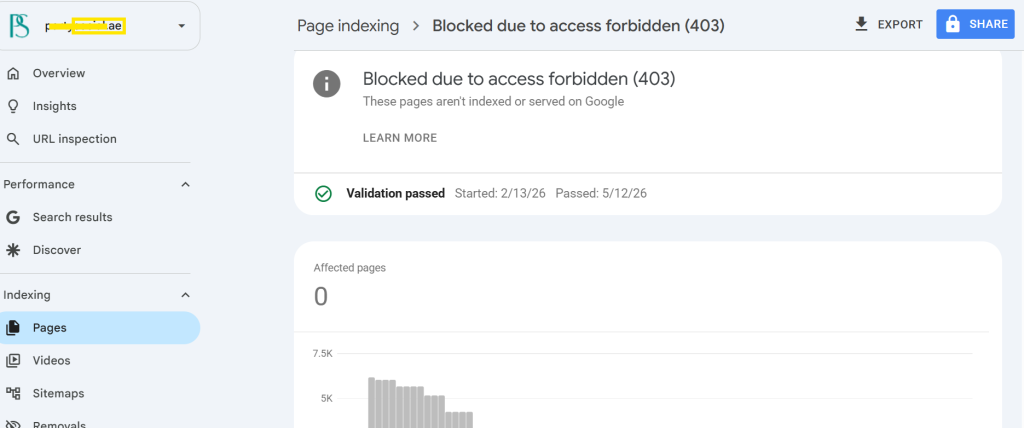
1. 404 Pages Redirected to the Homepage
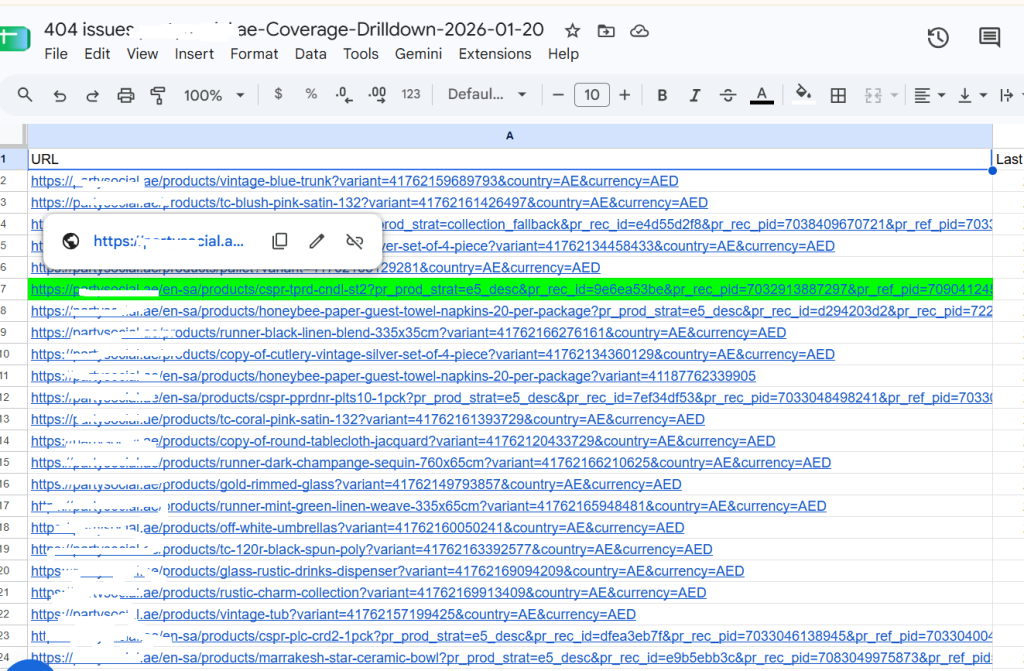
Many non-existent or outdated URLs were redirected to the homepage instead of returning a proper 404 response or redirecting to the most relevant replacement page. This created an unclear redirect structure and poor relevance between the original URLs and their destination.
2. Incomplete Redirects Following a Domain Migration
The website had previously moved from a subdomain to the main domain. However, not all URLs were properly redirected, creating potential issues with lost pages, indexing, and the transfer of existing SEO value.
3. Under-Optimized Commercial Pages
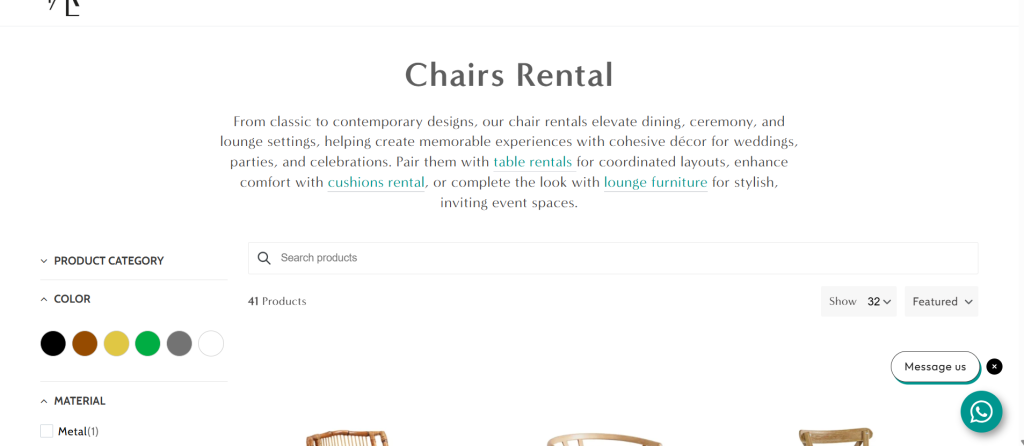
Many important Shop and Rent pages lacked essential SEO elements such as optimized meta titles and meta descriptions. Several pages also relied heavily on image grids with limited supporting text, making it more difficult to clearly communicate their purpose and relevance to search engines.
4. Duplicate and Overlapping Content
Over time, multiple pages had been created around similar products, services, and search topics. Some pages were later removed from the website navigation but remained part of the site’s URL structure, creating duplicate or overlapping content and potential keyword cannibalization.
5. Content Was Too Heavily Focused on Commercial Intent
Much of the existing content focused primarily on promoting products, rentals, and services. There was an opportunity to create more useful informational content that could attract potential customers earlier in their event-planning journey and guide them toward relevant commercial pages.
6. Limited High-Authority Links to Key Commercial Pages
The website had opportunities to strengthen its authority through more relevant, high-quality external links, particularly to important commercial and rental pages competing for valuable search terms.
The SEO Strategy & Implementation
Rather than trying to address every issue at once, I prioritized the work based on its potential impact on organic visibility, website structure, and commercial opportunities. The strategy focused on strengthening the technical foundation, improving important commercial pages, restructuring content, and creating content that could attract users across different stages of the customer journey.
1. Technical Cleanup
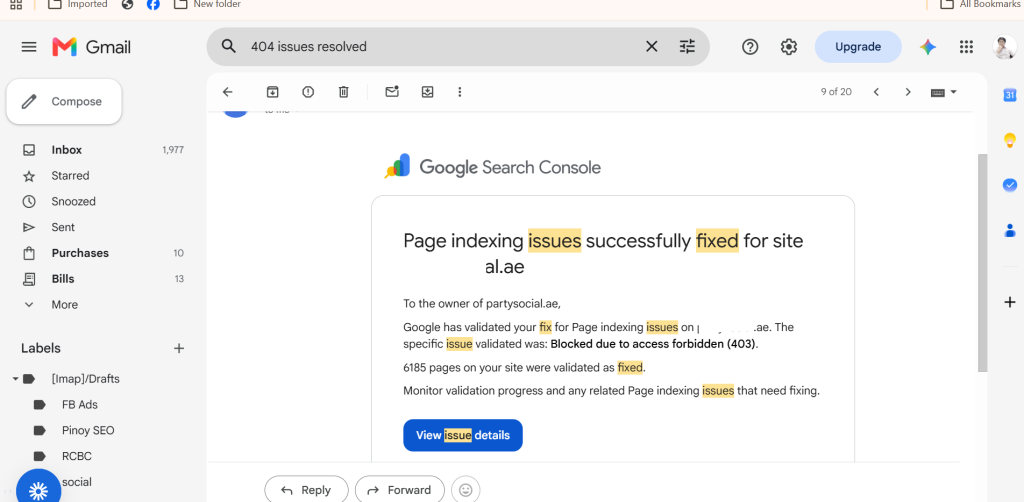
Audited redirects and 404 issues
Identified migration-related URL problems
Implemented proper page and DNS-level redirects
Improved site structure and URL handling
2. Commercial Page Optimization
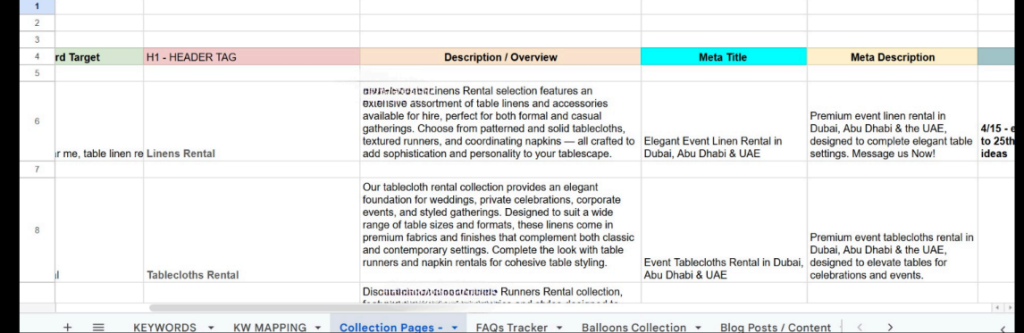
Keyword research and mapping
Optimized important Shop and Rent pages
Improved metadata
Added supporting content and internal links
3. Content Strategy
Audited and removed low-value, overlapping content
Identified content gaps based on search demand
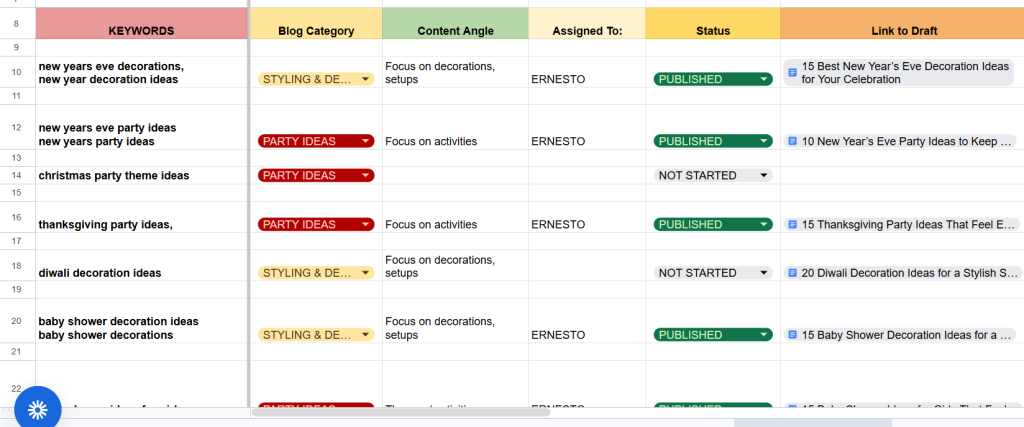
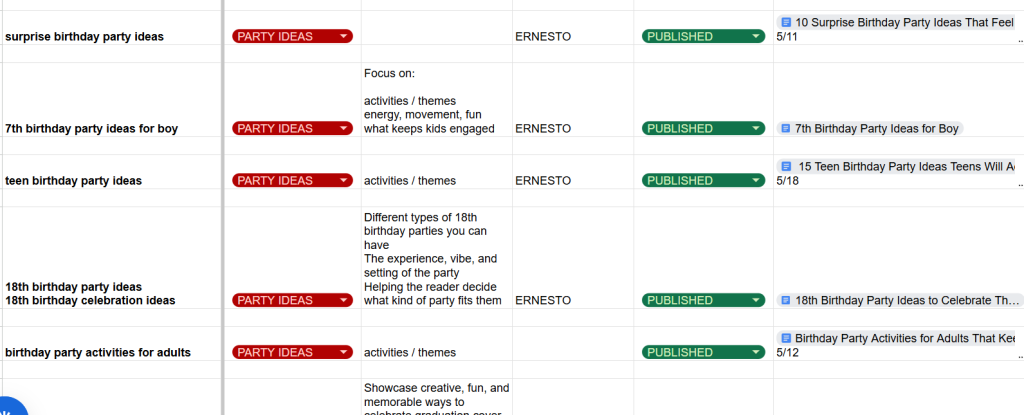
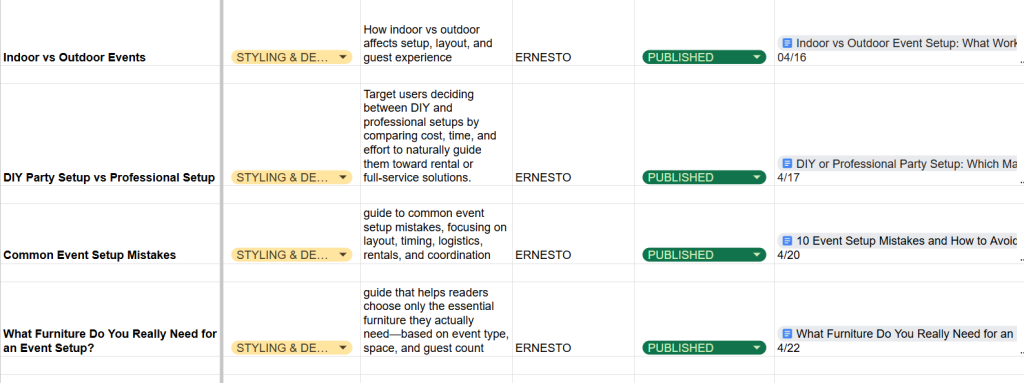
Created a content calendar targeting top- and middle-funnel audiences
Developed informational content aligned with search intent
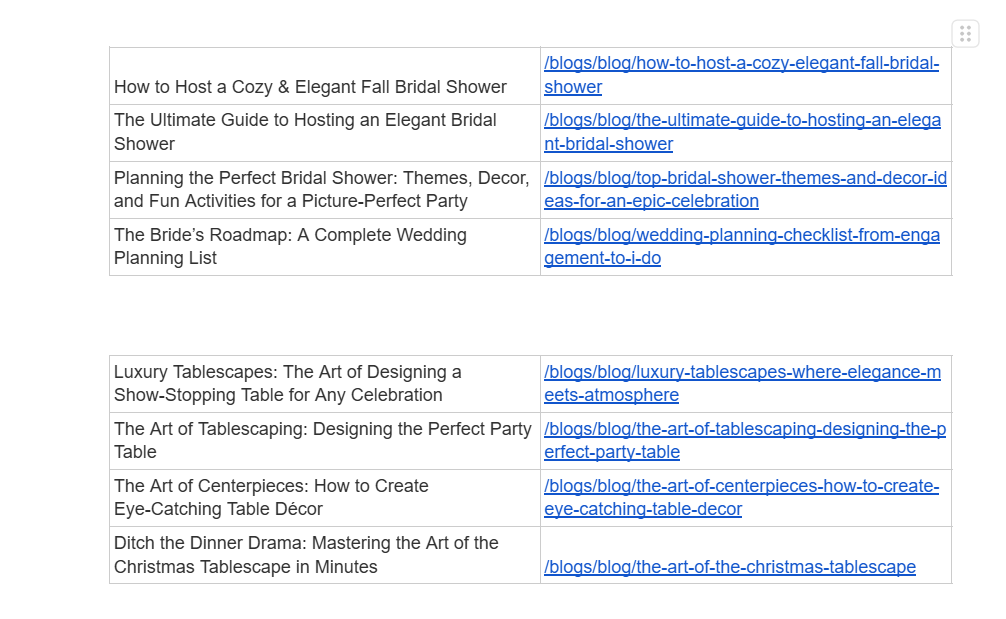
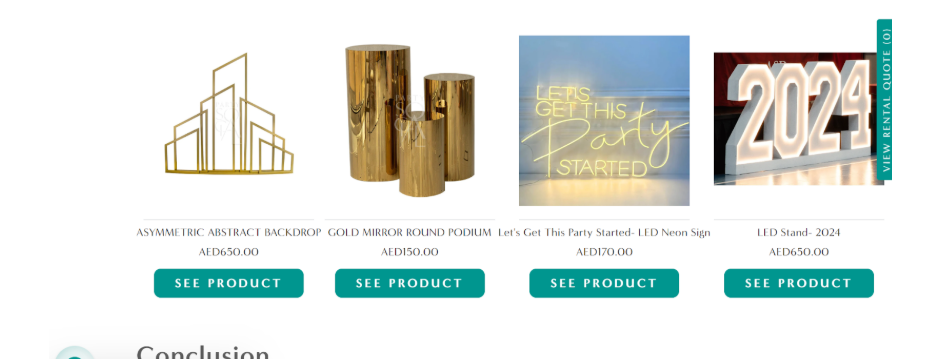
Connected relevant blog content to commercial pages through internal linking
4. Authority Building
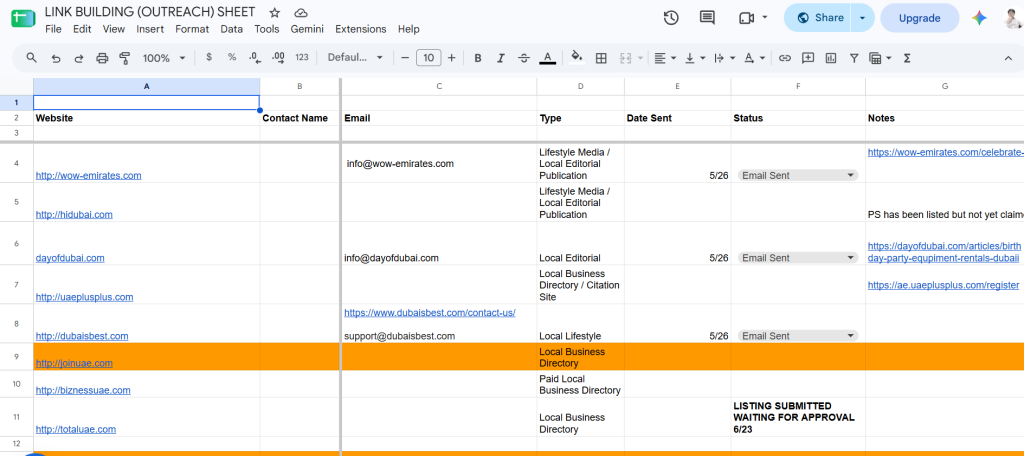
Identified opportunities for relevant external links
Prioritized key commercial pages for link acquisition
Results & Progress After 6 Months
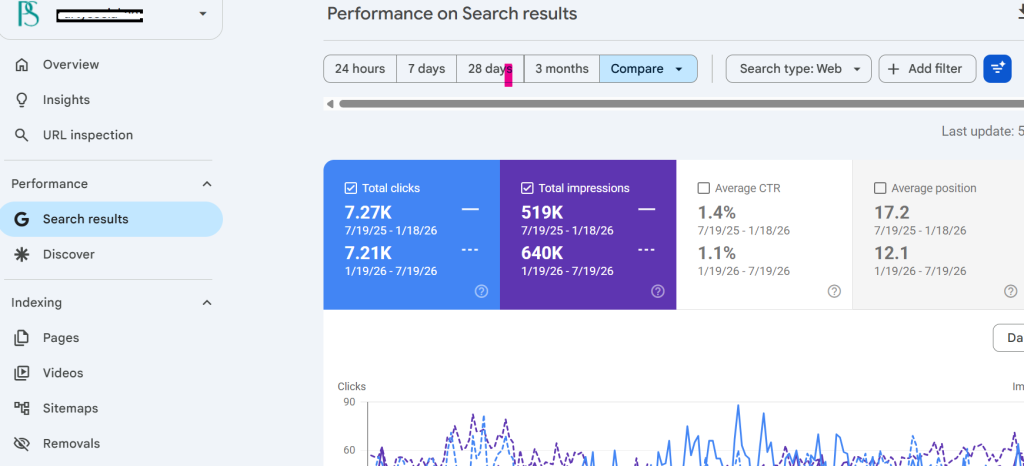
Organic search impressions increased from 519K to 640K, representing a 23% increase in search visibility
Average position improved from 17.2 to 12.1, indicating stronger overall keyword visibility
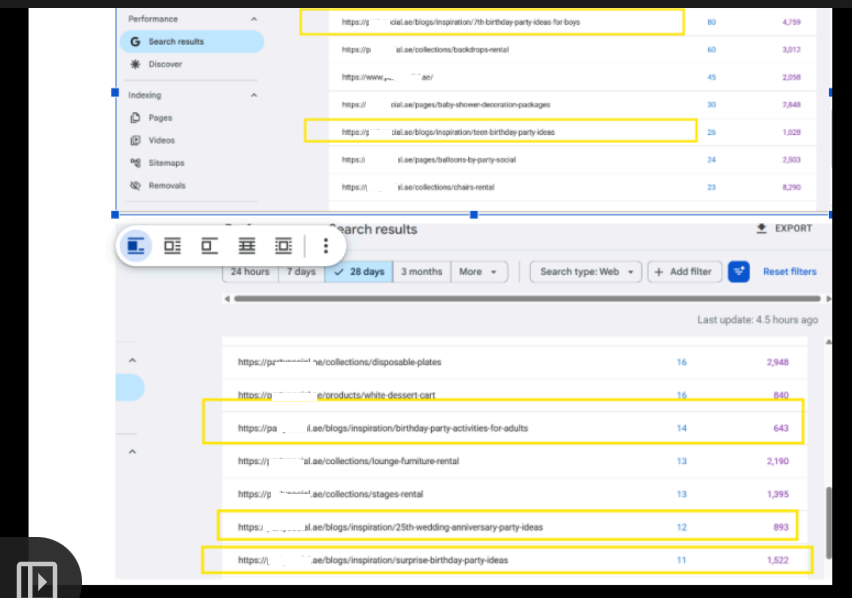
Newly published blog posts began gaining visibility in Google Search and contributing organic traffic, including articles targeting informational searches and different stages of the customer journey
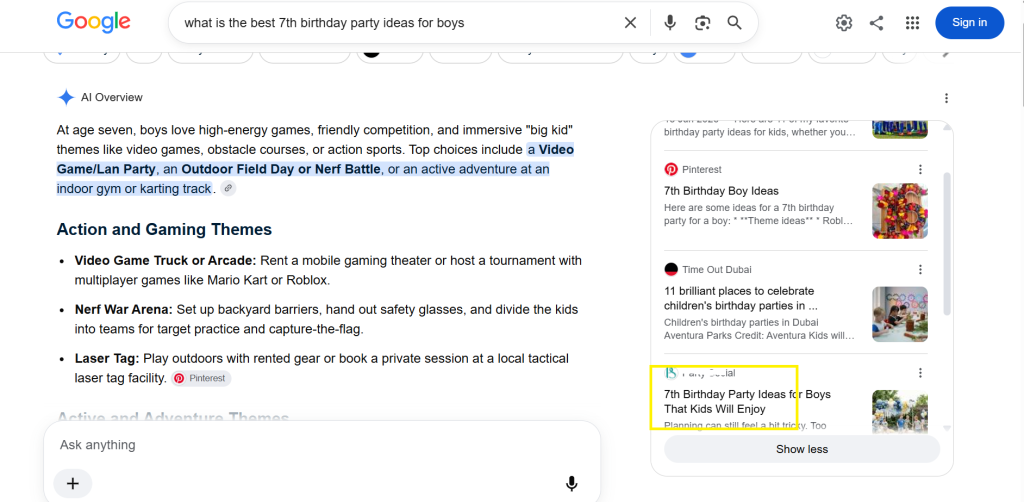
Several newly published articles also gained visibility in AI-powered search experiences, including Google AI Overviews
Ongoing Strategy & Next Steps
While technical improvements and content development helped improve search visibility, continued growth in competitive search results will require stronger website authority. I recommended expanding investment in relevant link building, brand mentions, and entity-focused digital PR to support long-term SEO and improve the brand’s visibility across traditional and AI-powered search experiences.